Biocompatible
hydrophillic and non-toxic like PEO
poly(2-3)Glucose™ is a polyether, chemically similar to polyethylene oxide (PEO.) The poly(2-3)Glucose™ heteropolymers T1-25, T1-30, and T1-35 are hydrophilic, charge neutral, hydrogen bond acceptors, but not donors. These biocompatible characteristics corroborate the below data, which demonstrates compatibility with human islet cells, human lymphoblasts, murine macrophages, and murine adipose tissue.
The polymer is provided as a lyophilized cake in a serum vial. It is sterile, non-pyrogenic, non-toxic, and hydrophilic. To make a solution, add sterile PBS or growth media via the butyl septa and chill overnight at 4 C.
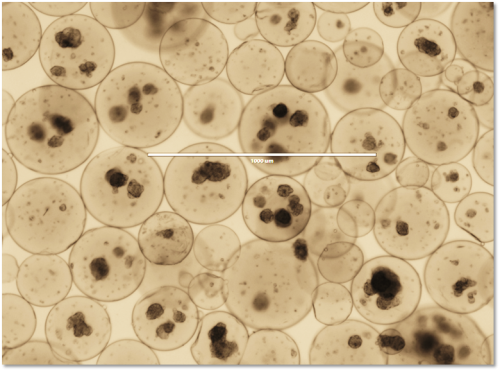
poly(2-3)Glucose™ compatible with human islets
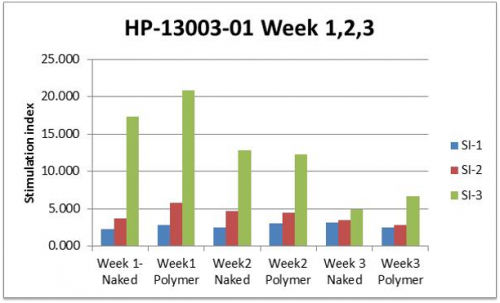
poly(2-3)Glucose non-toxic with human lymphoblasts
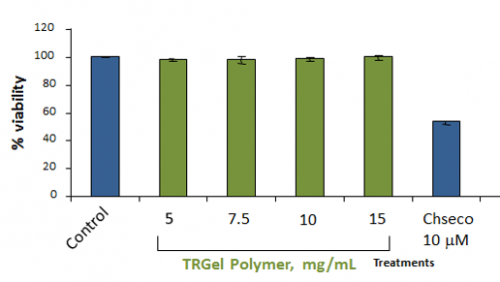
poly(2-3)Glucose non-inflammatory with murine macrophages
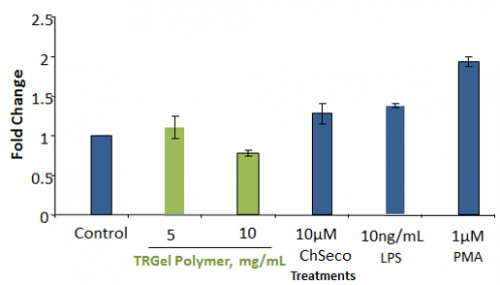
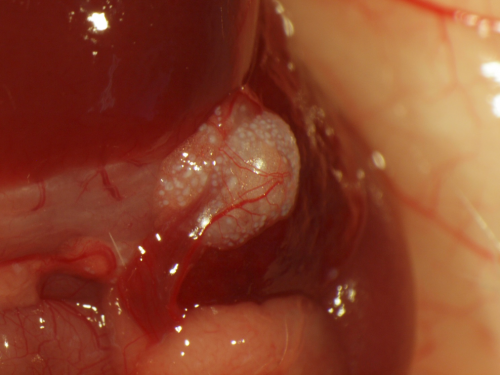
No inflammation in mouse
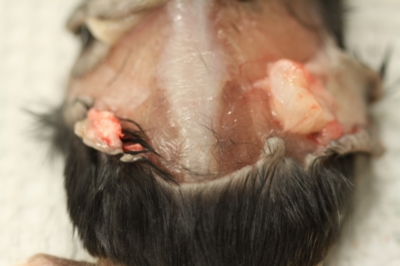
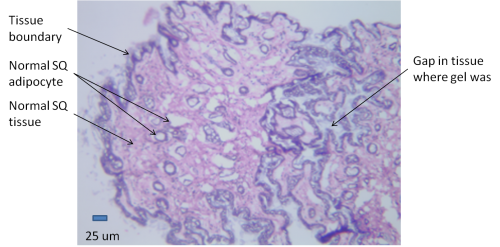
Normal mouse tissue histology